About All Type Of Rice Mill Screen
Black Silky Screen comes to printed circuit boards (PCBs). The silkscreen is the ink layer that offers printed information to identify the different circuit locations, components, marks, logos, warning symbols, etc. Since it is more economically feasible than applying the silkscreen on the solder side, this is where it is applied most frequently. One may come across PCBs that have a silkscreen on the solder side.
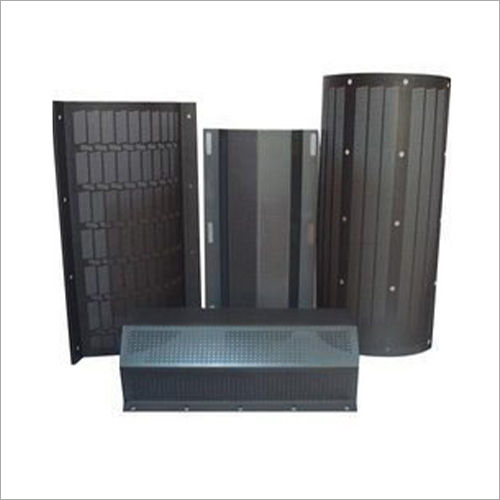
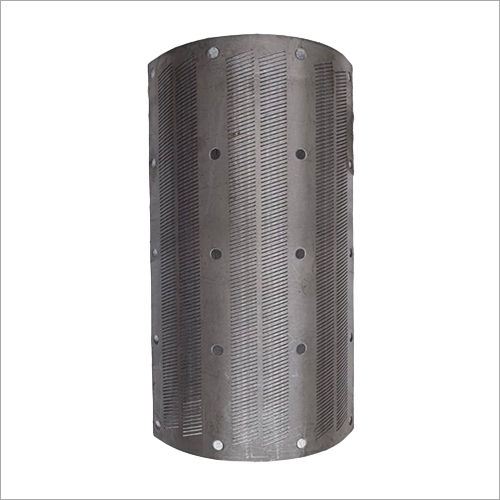
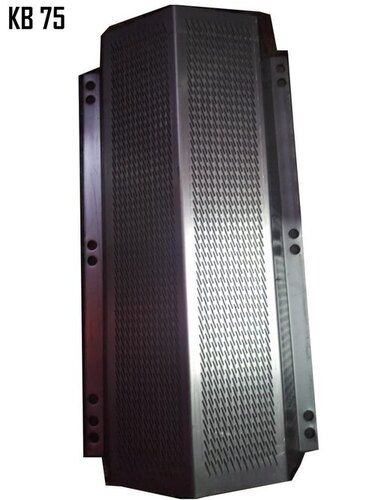
High Sorting EfficiencyThis Black Silky Screen is engineered to maximize sorting precision, enabling rice mills to achieve superior results. Its finely crafted mesh ensures only high-quality rice grains pass through, significantly reducing waste and enhancing the overall grading process. The screens efficiency helps maintain product integrity and boosts operational productivity for mill operators.
Manual Operation for ReliabilityDesigned for manual use, the rice mill screen provides full control to operators, avoiding dependency on computerized or automatic systems. This simplicity minimizes operational complications while ensuring ease of maintenance and repair. Manual grading allows tailored adjustments during sorting, offering adaptability to different rice varieties.
FAQs of All Type Of Rice Mill Screen:
Q: How does the Black Silky Screen improve rice sorting efficiency?
A: The Black Silky Screen features precisely engineered mesh holes that effectively separate high-quality rice grains from broken or undersized ones, offering superior sorting performance for rice mills working with manual grading processes.
Q: What material is used in the manufacturing of the rice mill screen?
A: The screen is constructed using mild steel, which is known for its strength, durability, and resistance to wear and tear, ensuring a long operational life even with frequent use.
Q: When should rice mill operators replace the Black Silky Screen?
A: Replacement is recommended whenever the sorting efficiency drops, visible wear or deformation is noticed, or as suggested by the manufacturer under the warranty policy to maintain optimal rice quality output.
Q: Where can manufacturers or traders in India procure this rice mill screen?
A: Manufacturers, suppliers, and traders throughout India can source the Black Silky Screen from authorized dealers and distributors, who offer products along with warranty and technical support.
Q: What is the process for using the Black Silky Screen in rice milling?
A: Operators manually install the screen into the rice milling machinery, then process paddy as usual. Rice passes through the screen, which segregates grains based on size and surface while ensuring high sorting efficiency.
Q: How does manual operation benefit users compared to computerized systems?
A: Manual operation allows operators to make responsive adjustments for different rice varieties without depending on electronic systems. This reduces maintenance costs, increases reliability, and simplifies repairs and handling.




 Send Inquiry


 Send Inquiry